From Subjective to Standardized: A VR Case Study with TVS Group's Real Talent Engineering
November 24, 2025
How Digital Twins and Virtual Reality are solving the “Muscle Memory” gap in high-precision manufacturing.
The Executive Summary
In the high-stakes world of automotive manufacturing, consistency is currency. Yet, the most critical processes—Deburring and Final Inspection—often rely heavily on human judgment and manual dexterity.
This case study details how REAL TALENT ENGINEERING LIMITED (RTE), a key player in the TVS Group ecosystem, partnered with GRAHAs VR ® to digitize their workforce training. By implementing a Virtual Reality (VR) solution as part of their Total Productive Maintenance (TPM) transformation, RTE has successfully standardized quality control and eliminated safety risks during the initial training phase.
The Challenge: The Cost of Subjectivity
RTE creates high-precision components where tolerances are measured in microns. However, their leadership identified two critical bottlenecks in their traditional training methods:
1. The “Subjectivity” Trap: Deburring is an art form. It relies on muscle memory. One operator might consider a surface “smooth enough,” while another spots a microscopic burr. This variance leads to inconsistent quality output.
2. High-Risk Training: The deburring process involves compressed air and high-velocity particles. Training new hires on the shop floor carries inherent safety risks, specifically regarding eye injuries if Personal Protective Equipment (PPE) protocols aren’t strictly followed.
3. Resource Drain: Traditional training requires taking a skilled senior operator off the line to mentor a junior, doubling the cost of training and reducing immediate production capacity.
The Solution: A “Digital Twin” for Skills Training
GRAHAs VR deployed a custom immersive training solution on the Meta Quest 3S. We didn’t just gamify the process; we built a physics-based Digital Twin of their specific workstations.
The solution tackled the challenges through two core modules:
Module 1: The Safety-First Deburring Simulator
We engineered a “hard stop” on safety. In the VR environment, the machine does not start unless the user virtually equips their Safety Glasses and Gloves.
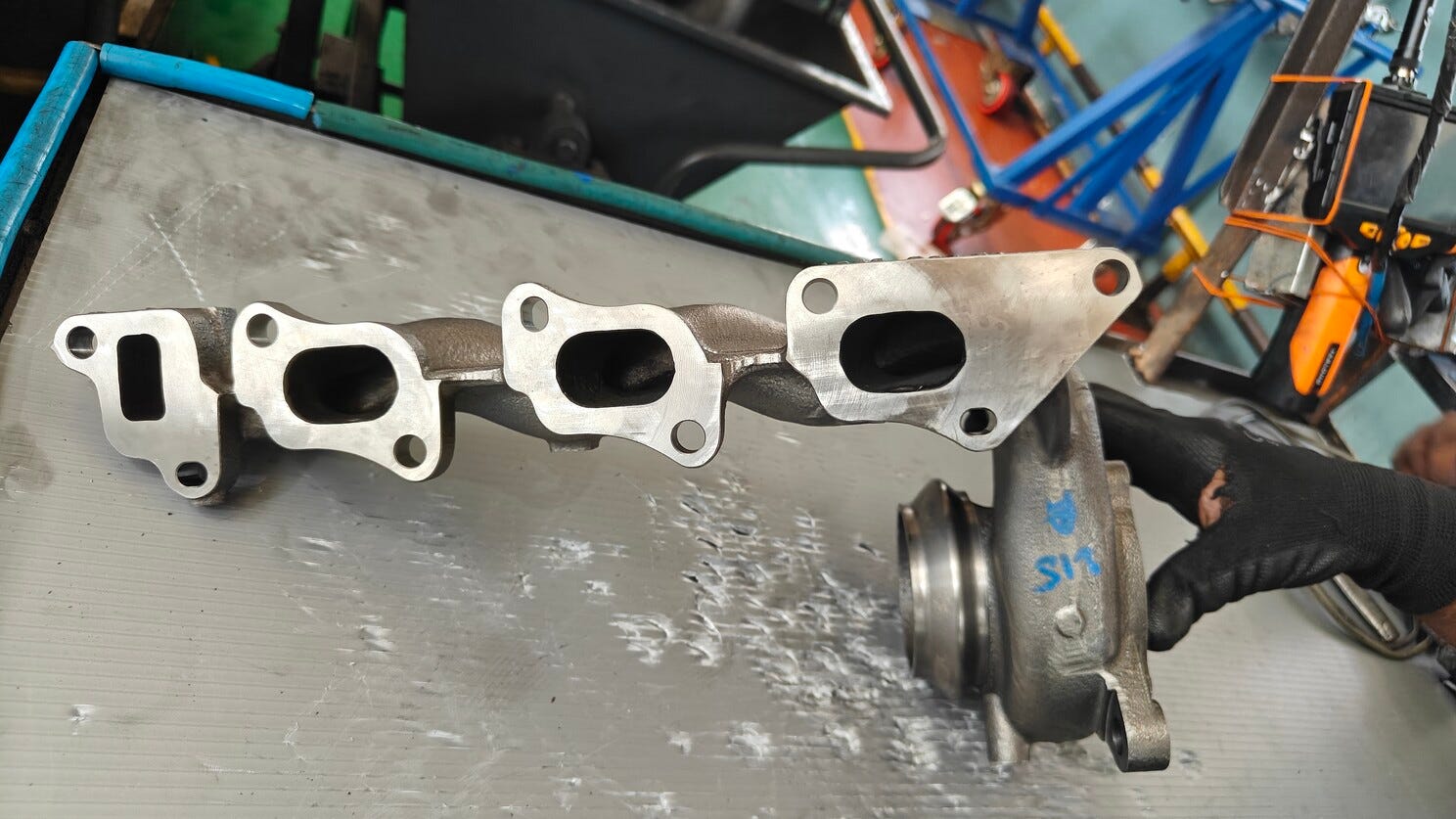
Once safe, the user is guided through the Standard Operating Procedures (SOPs) for specific areas in the component, such as the V-Band Outlet Side and Bearing Housing etc. The VR simulation allows them to build the muscle memory of tool handling and air cleaning without the risk of injury or the cost of scrapping expensive raw materials.
Module 2: The “Golden Standard” Inspection
To eliminate subjectivity, we digitized the defects. The VR module presents trainees with 3D replicas of parts featuring specific, common defects identified by RTE’s quality team, including: Rust, Dent, Scratches and Damages etc. The trainee must identify, measure, and classify these defects against a “Golden Standard.” The system provides instant, objective feedback—turning a subjective decision into a data-driven one.
The Results: Why VR is Critical for TPM
By integrating GRAHAs VR into their TPM roadmap, Real Talent Engineering has achieved:
Standardized Quality: Every technician is trained on the exact same defect samples, ensuring a uniform definition of “Quality” across the plant.
Zero-Risk Onboarding: New hires make their mistakes in the metaverse, not on the production line.
Data-Driven Proficiency: Management will have empirical data on trainee performance before they ever touch a physical part.
Frequently Asked Questions: VR for Industrial Quality Control
Common questions from Manufacturing Heads and Operations Leaders.
Q: How does VR training standardize the deburring process?
A: Deburring often relies on “muscle memory,” leading to inconsistent results. Our VR solution creates a “Digital Twin” of the workstation, allowing operators to practice Standard Operating Procedures (SOPs) and tool handling in a controlled environment. This ensures every technician trains on the exact same process—specifically focusing on critical zones like the Inlet Side and V-Band Outlet—eliminating subjectivity.
Q: Can VR really replace physical inspection training?
A: It enhances it. Traditional training often lacks a variety of “defect samples” because you can’t always find a rusted or damaged part when you need one. In VR, we can instantly simulate critical defects like blow holes, line marks, rust, and thread damage. This trains the operator’s eye to spot specific issues that might only occur rarely in production, ensuring they are ready for any scenario.
Q: What safety risks does this eliminate?
A: The deburring process involves high-velocity particles and compressed air. In our VR module, safety compliance is mandatory; users must virtually equip safety glasses and gloves before the system allows them to work. This builds a “safety-first” habit without the risk of real-world injury during the learning phase.
Q: What hardware is required to run this training?
A: This solution was deployed using the Meta Quest 3S. It utilizes the OpenXR platform to deliver high-fidelity tracking and realistic visuals, ensuring the virtual experience mirrors the physical shop floor.
Hear directly from the Quality Assurance of Real Talent Engineering about the implementation and experience the development in real-time 3D and get an AR Experience here.
Ready to Standardize Your Workforce?
The factories of the future aren’t just automated; they are immersive.
At GRAHAs VR ®, we specialize in turning complex industrial SOPs into intuitive Virtual Reality experiences. Whether you are in Automotive, Pharma, or Logistics, we help you build a workforce that is safer, faster, and more consistent.